English| EUR
Suggested for you
More currencies
Choose a language
Masai Mara and Amboseli anchor opposite ends of Kenya's southern safari circuit, separated by terrain that makes the straight-line distance misleading. The road journey between them requires careful planning around route conditions, seasonal weather, and Nairobi's position as the practical hub connecting the two ecosystems.
Quick answer
The distance from Masai Mara to Amboseli National Park is approximately 435 kilometers by road via Nairobi, requiring 8 to 10 hours of driving depending on traffic and road conditions. A direct overland route exists but involves rough tracks unsuitable for standard vehicles. Most travelers route through Nairobi, where the journey splits into two distinct legs with paved highway access to both parks.
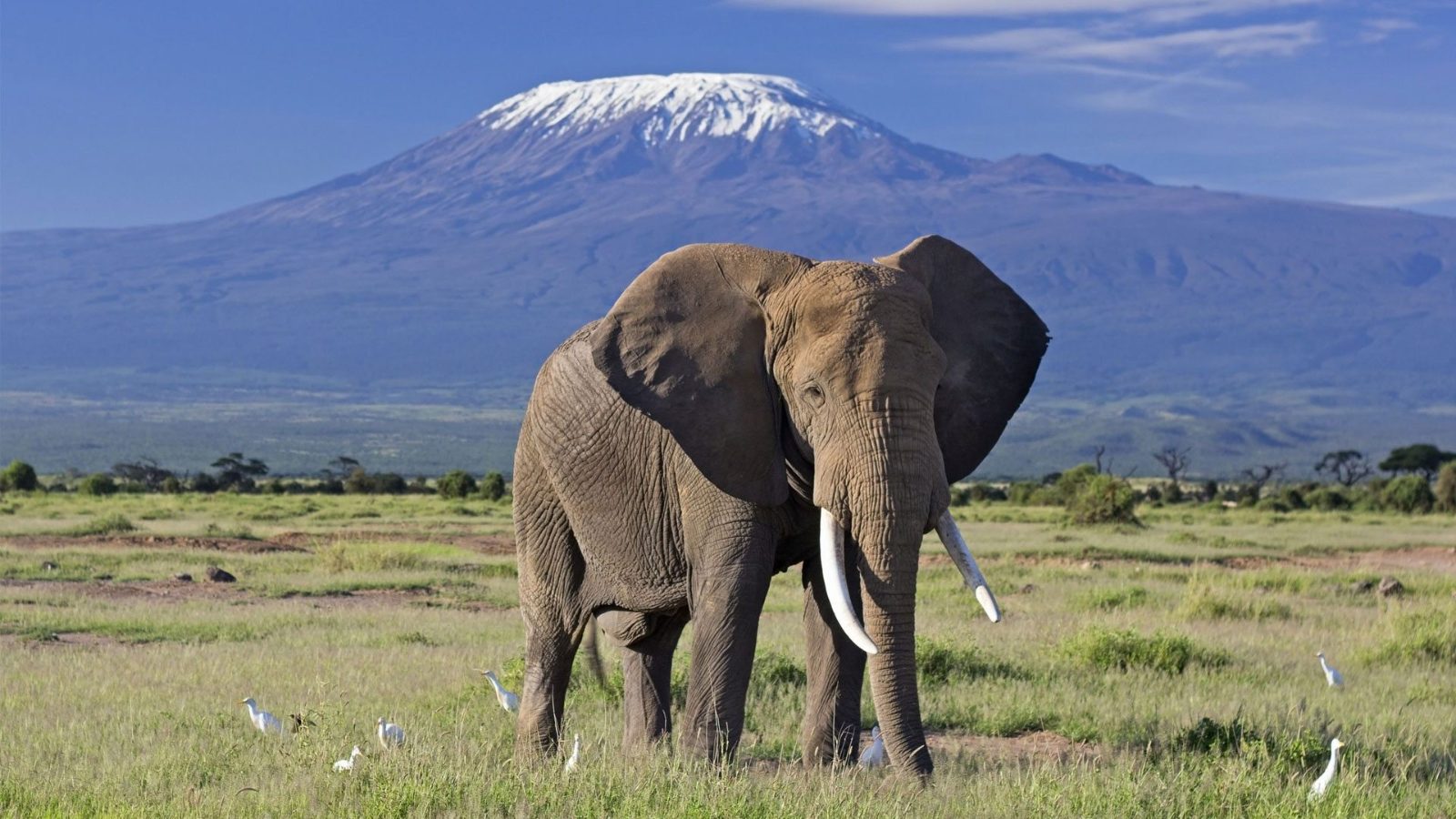
Kenya's two most visited national parks sit 230 kilometers apart as the crow flies, but the practical route between them spans nearly double that distance. The geography explains why: the Great Rift Valley's western escarpment rises between Masai Mara and Amboseli, and no paved road crosses it directly. The standard route loops north through Nairobi, covering roughly 280 kilometers from Masai Mara to the capital via Narok, then 240 kilometers southeast to Amboseli's Meshanani Gate through Emali. The Narok–Nairobi leg follows the B3 highway, paved but heavily trafficked near Mai Mahiu. The Nairobi–Amboseli stretch uses the A109 and C103, with the final approach on murram road. Total driving time ranges from eight to ten hours, with Nairobi traffic adding significant variability during morning and evening peaks. Departures before 06:00 from either park allow travelers to clear the capital before congestion builds. A direct southern route exists via Loita Hills and the Tanzanian border region, shortening the distance to roughly 300 kilometers, but this track requires high-clearance four-wheel-drive vehicles and becomes impassable during the long rains from March through May. Tour operators rarely offer it as a scheduled option. Charter flights provide the fastest alternative, with light aircraft covering the distance in 90 minutes and landing at Amboseli's airstrip near Ol Tukai. Scheduled services connect both parks to Wilson Airport in Nairobi, though same-day connections are limited and most itineraries overnight in the capital. The route through Nairobi also serves as a logical reset point for multi-park safaris. Travelers can resupply, change vehicles, or adjust itineraries between the Mara's open grasslands and Amboseli's acacia woodland framed by Kilimanjaro. Each park operates independently under Kenya Wildlife Service management, with separate entrance fees and gate hours. Amboseli opens from 06:00 to 18:00 daily, and the 90 USD non-resident adult fee covers 24 hours from first entry at any gate.
“The Great Rift Valley's western escarpment rises between Masai Mara and Amboseli, and no paved road crosses it directly.”
Masai Mara and Amboseli National Park are separated by approximately 450 to 500 kilometers across the Great Rift Valley. Due to the lack of direct paved highways connecting these two reserves, travelers typically rely on internal flights or multi-day road transfers.
A104 and C12 roads via Nairobi
Public transport via Nairobi hub
N/A
Private charter transfer
The best arrival window is 06:00–09:00, as early morning offers the best light for photography and higher wildlife activity before the heat.
Travelers moving between Masai Mara and Amboseli National Park face a choice between the speed of regional air travel and the immersive, ground-level experience of driving. This comparison outlines the logistical trade-offs for each transit method.
| Flight Air Travel | Road Transfer Ground Travel Recommended | |
|---|---|---|
| Travel Mode | Light Aircraft | 4x4 Land Cruiser |
| Average Duration | 1 hour 30 minutes | 10 to 12 hours |
| Comfort Level | High | Moderate |
| Scenic Value | Aerial View | High (Ground Perspective) |
| Directness | Non-stop | Multi-stage transit |
Verdict: Choose air travel for maximum time efficiency, or select road transfer to incorporate game viewing opportunities across the Kenyan landscape.
The dry seasons, specifically from June to October and January to February, are the most favorable times to manage the travel distance between these parks as road conditions remain stable. During these periods, wildlife is easier to spot as animals congregate around water sources.
Dry, 20°C to 28°C
Reliable road access and optimal wildlife visibility across both regions.
Short rains, 22°C to 26°C
Occasional rain showers may complicate road travel between the two parks.
Dry, 22°C to 30°C
Warm, dry weather supports efficient transit and clear views of Mount Kilimanjaro.
Long rains, 20°C to 25°C
Heavy rainfall frequently renders dirt roads impassable, increasing travel time and difficulty.
Verdict: Plan your journey during the dry months of July, August, or September to ensure the most predictable road conditions between Masai Mara and Amboseli.
Amboseli National Park is open to visitors daily throughout the week, maintaining consistent operating hours for gate entry and exit.
Everything you need to know about distance from masai mara to amboseli national park
The driving distance from masai mara to amboseli national park is approximately 450 to 500 kilometers depending on the route taken. Travelers often navigate through Nairobi to connect between these two iconic Kenyan wilderness areas.
By road, this journey typically requires 8 to 10 hours of travel time due to varying road conditions. This transit duration makes it difficult to complete the trip quickly without planning for an overnight stay or a dedicated transfer.
While no direct scheduled commercial flights exist, travelers can book light aircraft charters to bypass the long road transit. Using air travel significantly reduces the time spent on the move compared to driving by road.
Most visitors opt for a multi-day safari itinerary to break up the long travel route between these parks. For those strictly interested in an Amboseli day trip from Nairobi, transport is much more efficient than attempting a cross-park connection in one day.
The entrance fee for a non-resident adult is 90 USD per 24-hour period. Please ensure you have the correct currency or payment method ready upon arrival at the gate.
The best arrival window is 06:00–09:00 to ensure you experience the best light for photography. Wildlife activity is also higher during these early hours before the midday heat sets in.
A day trip between these two distant parks is not feasible due to the extensive travel time required. Visitors should plan for several days if they wish to explore both landscapes thoroughly.
You should prepare for variable weather in Kajiado County by bringing layered clothing and sun protection. Also, ensure you carry your identification and booking documents for easy park entry.