English| EUR
Suggested for you
More currencies
Choose a language
Amboseli National Park lies 240 kilometers southeast of Nairobi in Kajiado County, accessible by road and air. The journey crosses varied terrain from urban centers through rural farmland to the semiarid plains beneath Mount Kilimanjaro. This guide covers the transport options, route conditions, and logistics for planning your approach.
Quick answer
The most common way to reach Amboseli from Nairobi is by road, a 240-kilometer journey taking four to five hours depending on route and conditions. The primary route follows the Mombasa Road to Emali, then turns south on the C103 through Kimana Gate. Light aircraft also serve Amboseli's airstrips with daily scheduled and charter flights from Wilson Airport, reducing travel time to 40 minutes.
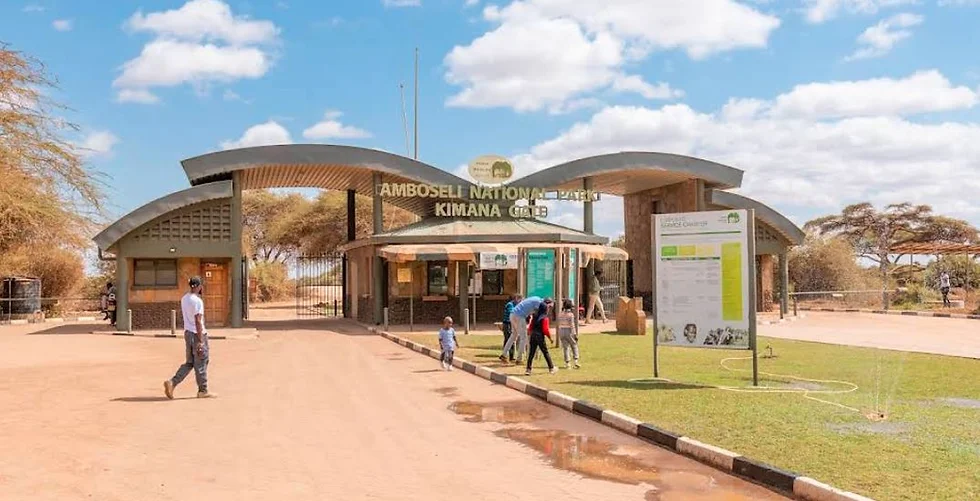
Amboseli National Park receives more than 200,000 visitors annually, most arriving overland from Nairobi through a transport corridor that has evolved significantly since the reserve's gazette in 1974. The distance separating Kenya's capital from the park's main gates has remained constant, but road improvements and flight frequency have compressed effective travel time. Traveling to Amboseli from Nairobi presents two primary channels: the southern road network and light aircraft service. Road access dominates visitor arrivals, accounting for roughly 85 percent of entries. The standard overland route departs Nairobi southeast on the A109 Mombasa Road, a paved highway serving both the coast and inland destinations. At Emali town, 200 kilometers from Nairobi, the route diverts south onto the C103, a mostly graded road extending 38 kilometers to Kimana Gate, one of Amboseli's two northern entrances. An alternate approach follows the same highway to Kibwezi, then west on the C102 through Mashuuru to Meshanani Gate, adding distance but offering a smoother graded surface for portions of the journey. Both routes traverse the Athi-Kapiti plains before entering drier Maasai rangelands, with the final approach marked by acacia woodlands and views of Kilimanjaro's southern slopes. Drive duration varies with vehicle type, road maintenance cycles, and seasonal conditions. Private safari vehicles and tour operators average four hours gate-to-gate under dry-season conditions, while public matatus serving Loitokitok add stops and unpredictability. The rainy months of April, May, and November can extend journey times as graded sections develop washboards and water crossings. Flight service bypasses road variables entirely, with multiple operators running scheduled morning departures from Wilson Airport to Amboseli's three airstrips. The aerial approach offers efficiency for time-constrained itineraries and delivers immediate immersion in the park's elephant-rich plains. Understanding how to get to Amboseli National Park from Nairobi shapes the rhythm of any visit. Early morning departures from Nairobi align road arrivals with the park's 06:00 opening and the optimal wildlife activity window before midday heat. Visitors planning independent road access should confirm current fuel availability in Emali and Kimana, carry reserve water, and verify gate locations, as GPS routing occasionally directs traffic to closed administrative entrances rather than active visitor gates.
“The distance separating Kenya's capital from the park's main gates has remained constant, but road improvements and flight frequency have compressed effective travel time.”
Amboseli National Park is located in Kajiado County, approximately 250 kilometers from Nairobi. The most common approach is by road, utilizing either the Namanga or Emali routes.
A104 road via Namanga border post
A109 road via Emali town
Public transport from Nairobi to Namanga, then hired 4x4
For the best wildlife activity and photography conditions, plan your arrival within the 06:00–09:00 window. Use the Kimana or Meshanani gates for primary access to the park.
Amboseli National Park is open to visitors daily throughout the week. The park maintains consistent operating hours to facilitate wildlife viewing and park management.
Prepare these items before departing Nairobi to ensure smooth entry and a safe journey to Amboseli.
Everything you need to know about how to get to amboseli national park from nairobi
Travelers typically reach the park by private vehicle or organized safari tour departing from the city. Detailed logistics on how to get to Amboseli National Park from Nairobi involve navigating the main highway towards the Kajiado region.
The most common method is a private 4x4 safari vehicle, which ensures comfort and better handling on rural tracks. Using a reputable transport service is the most reliable way to handle how to get to Amboseli National Park from Nairobi safely.
Driving from the city typically takes between 4 to 5 hours depending on traffic and road conditions. This duration is a key factor when planning how to get to Amboseli National Park from Nairobi for a day excursion.
The entrance fee is 90 USD per adult non-resident, which covers your conservation fee for a 24-hour period. Please check official sources for current updates on park permits and visitor requirements.
The best arrival window is 06:00–09:00, as early morning offers the best light for photography and wildlife activity before the midday heat. Arriving early helps maximize your time exploring the plains and observing the resident elephant herds.
The park is open daily, including weekends and public holidays, from 06:00 to 18:00. These hours apply consistently throughout the week to ensure visitor safety and wildlife protection.
When traveling by road, ensure your vehicle is well-maintained and suited for uneven terrain near the reserve entrance. Many visitors choose guided transfers to avoid the complexities of navigating remote routes.
Navigating the route is best done with a local driver or GPS, as some sections of the road outside the main highways can be challenging. Preparing your route in advance simplifies the journey from the city to this iconic wildlife sanctuary.